Research Spotlight: "Teaching AI the Expert's Eye" — An Interview with Associate Professor Uraki of Musashino University on the New Framework "Semantic Microscope"
An Interview with Associate Professor Asako Uraki, Faculty of Data Science, Musashino University
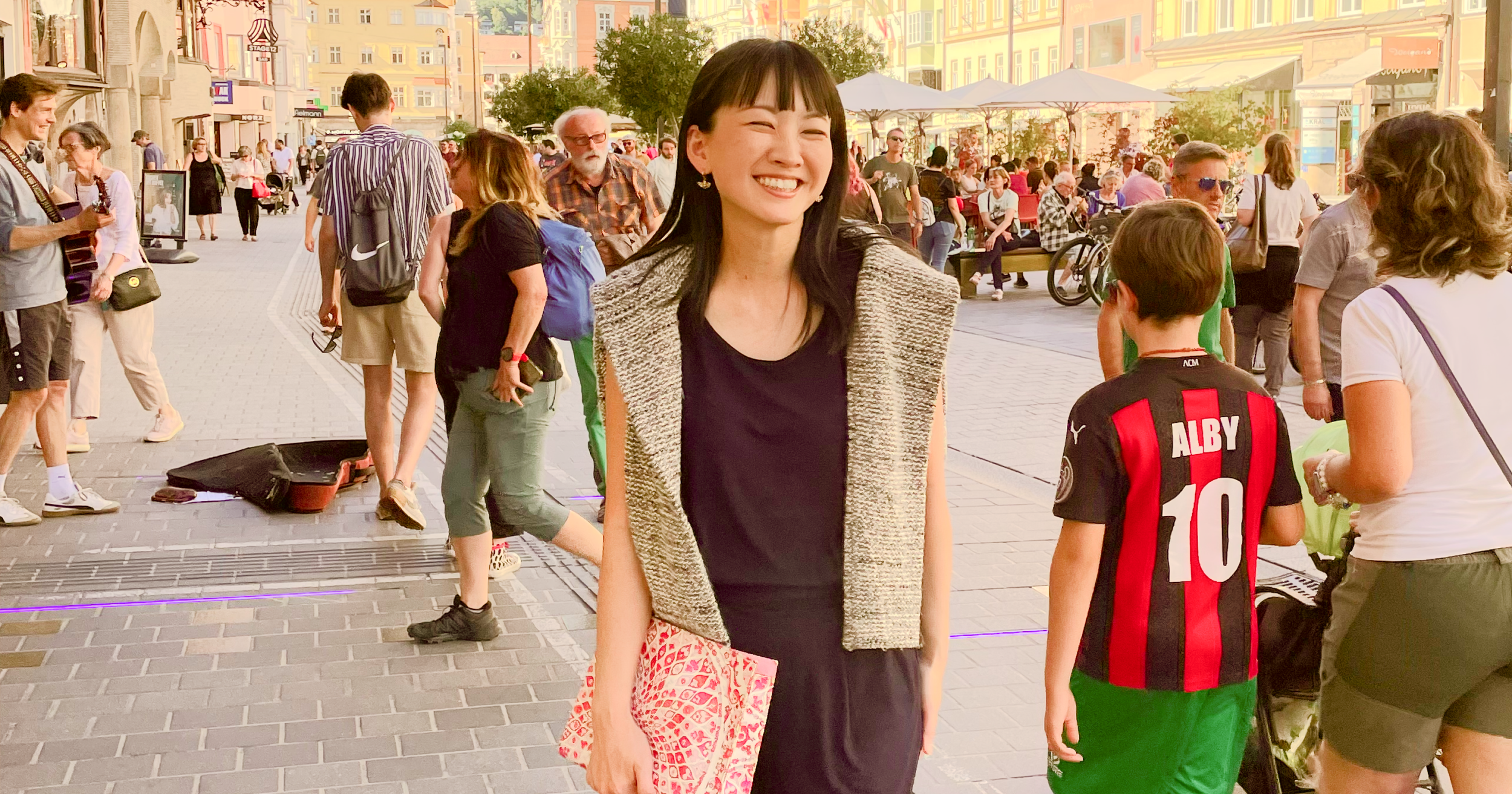
Figure 1. Dr. Asako Uraki, Associate Professor at the Faculty of Data Science, Musashino University (in the city of Innsbruck).
In November 2025, the "Semantic Microscope" presented by Associate Professor Asako Uraki and colleagues from the Faculty of Data Science at Musashino University attracted significant attention at the AAII Symposium 2025 held in Phuket, Thailand. This groundbreaking technology takes an approach completely opposite to conventional AI, incorporating the expert's "perspective" itself into AI systems. What exactly is this mechanism? We spoke with Associate Professor Uraki to find out.
When "Bigger Is Better" Can't Solve the Problem
――The "Semantic Microscope" you presented—literally translated as "meaning microscope"—what kind of technology is this?
Associate Professor Uraki (hereafter, Uraki): In a nutshell, it's "technology that teaches AI the 'perspective' that experts use when looking at data." Recent AI trends are dominated by "large-scale models" that learn from massive amounts of data to find patterns. But our approach is completely the opposite.
――The opposite?
Uraki: We take an approach of "sharply focusing only on the necessary information." For example, when a doctor looks at patient data, they don't look at all data equally, right? They have a "perspective"—"for these symptoms, I should focus on these values." Semantic Microscope is a framework that enables us to express such expert perspectives quantitatively.
Modeling the Brain's "Power to Focus"
――Quantifying the "expert's perspective" is the core of this research.
Uraki: Yes. The human brain is actually quite clever—it doesn't try to process all information at once. It zooms in, zooms out, abstracts, combines various pieces of information. That's how it narrows down to "the information I really need to know right now." Semantic Microscope models this ability.
――I see. What's the specific mechanism?
Uraki: The core is the idea of "expressing time-series context through five elements." We call these the "5 elements."
――Five elements?
Uraki: Yes. The combination of these five elements represents "from what perspective an expert is viewing the data." We named this "data focusing options."
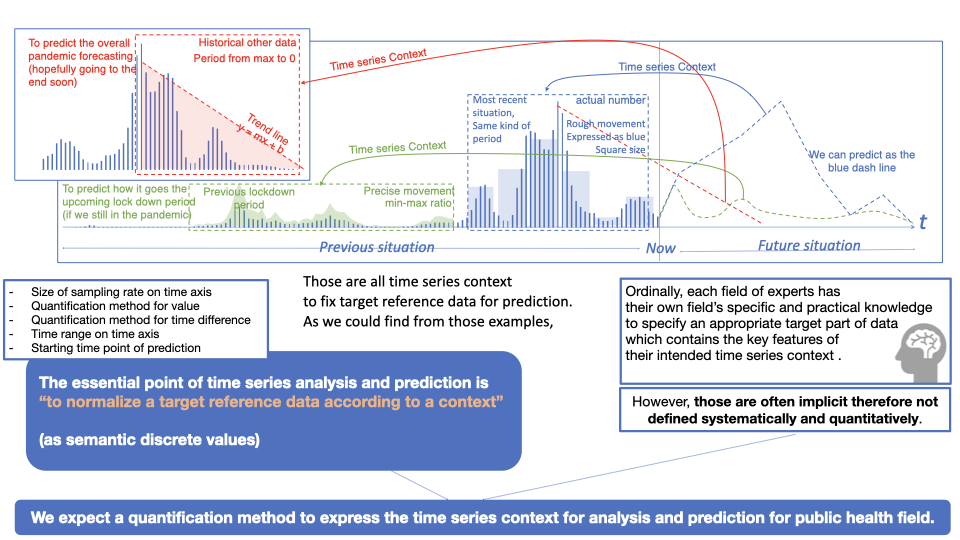
Figure 1. The Goal of Semantic Microscope.
Switching Perspectives Like Operating a Microscope
――"Data focusing options" is an interesting name.
Uraki: Indeed. This framework is actually very similar to operating a real microscope. When using a microscope, we change the magnification, adjust the focus, adjust the lighting. Similarly, with Semantic Microscope, by adjusting the five elements, you can "see what you want to see."
――So adjusting the five elements corresponds to adjusting the magnification and focus of a microscope.
Uraki: Exactly. Moreover, these combinations can be "stored, shared, and switched." In other words, a "good perspective" discovered by one expert can be saved, shared with others, or switched according to the situation. This is a crucial point.
Expressing Expert Knowledge Through "Semantic Discrete Values"
――Let me ask about something more technical. The term "semantic discrete value" appears—what does this mean?
Uraki: That's "semantic discrete value." It refers to values that semantically determine "which data should be referenced" according to the context of analysis. For example, when analyzing COVID-19 data, choices like "which variant to focus on" or "which time period to examine" are expressed in a meaningful way.
――So it's not just numerical values, but includes the meaning of "why that was chosen"?
Uraki: Exactly. This leads to the quantification of "semantic viewpoint." Conventional AI can find statistical patterns in data, but it doesn't understand the expert's intention of "why we should focus there." Semantic Microscope's strength is that it can incorporate that intention.
Wide-Ranging Application Experiments from Public Health to Seawater Quality
――What fields is this actually being used in?
Uraki: We've conducted application experiments mainly in two fields. One is public health data, particularly COVID-19 variant analysis. The other is seawater quality analysis during flooding along Hawaiian coasts.
――What specifically was done in the COVID-19 variant analysis?
Uraki: For example, finding "when a new variant appears in a certain region, which past variant's transition pattern does it resemble," or analyzing "which time period's data to focus on when predicting future infection spread patterns." By expressing expert knowledge through the five elements, more accurate analysis became possible.
――Seawater quality analysis is a different context.
Uraki: Yes. Seawater quality changes during flooding involve complex interactions of various factors—time of day, tides, rainfall, and so on. By using Semantic Microscope to quantify the expert's perspective of "under these conditions, focus on this element," more precise water quality predictions became possible.
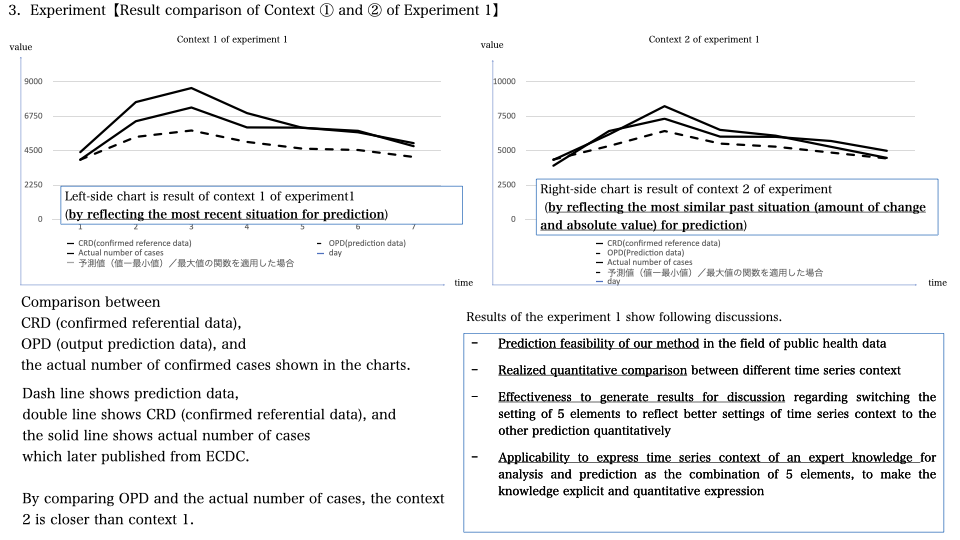
Figure 2. Application 1 of Semantic Microscope Project: Prediction Experiment of COVID-19 Case Numbers.
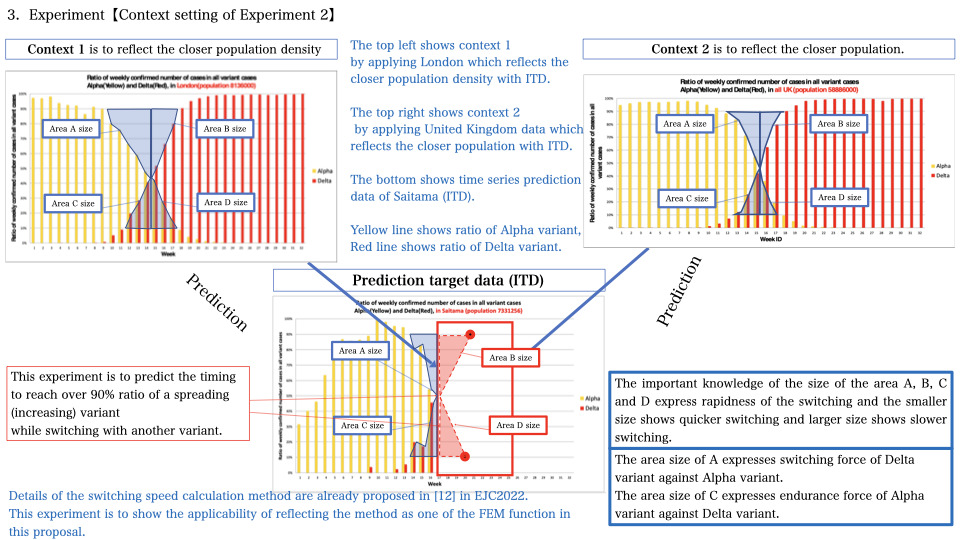
Figure 3. Application 1 of Semantic Microscope Project: Prediction Experiment of COVID-19 Variant Replacement Rate.
The Decisive Difference from Large-Scale Models: "Increasing Data" vs. "Sharpening Data"
――Let me ask again about the differences from conventional large-scale AI models.
Uraki: This is the most important point of our research. Large-scale models—like LLMs (Large Language Models)—take an approach of "increasing the probability of reaching the target solution by increasing data."
――So feeding them as much data as possible?
Uraki: Exactly. By learning from vast amounts of data—all text, images, audio on the internet—they can answer any question. It's essentially a "win by volume" strategy. This method is certainly powerful and has produced remarkable results like ChatGPT.
――And Semantic Microscope?
Uraki: Our approach is "deriving accurate analytical results by sharpening the data."
――What does "sharpening the data" mean?
Uraki: It means sharply narrowing down from the data to only the necessary points according to the purpose, as an expert would. To use an analogy, if a large-scale model is "someone who memorizes an entire encyclopedia and can give reasonable answers to any question," Semantic Microscope is like "an expert who knows exactly where the needed information is and can pinpoint the right page."
――I see. The difference between someone who reads the entire encyclopedia versus an expert who knows the table of contents thoroughly.
Uraki: Precisely. Large-scale models think "the answer must be somewhere in all this data, so let's just learn as much as possible." In contrast, we think "let's identify, from an expert's perspective, which data is truly necessary to reach the answer."
――Both have the same goal of "reaching the answer," but their approaches are opposite.
Uraki: Exactly right. Large-scale models "cast a wide net," while Semantic Microscope "takes aim." Even though we're aiming for the same goal, our strategies are completely different.
The Contribution of "A Framework for Semantically Sharpening Data"
――Given these differences, where does the academic contribution of this research lie?
Uraki: Our contribution is in "defining a framework for semantically sharpening data."
――"Semantically sharpening" is the keyword.
Uraki: Yes. It's not simply reducing data or filtering. We've properly formalized and quantified the expert's semantic judgment of "in this analytical context, we should focus on this data." This is the core and originality of our framework.
――Was there no such framework before?
Uraki: Of course, existing technologies like feature selection and data preprocessing exist. But those mainly narrow down data based on statistical criteria. There was no framework that could systematically handle the semantic aspect of "why an expert focuses there."
――So could we say this is technology that converts "expert tacit knowledge" into explicit knowledge?
Uraki: That's a very apt expression. The "intuition" of where to look that veteran doctors and researchers have developed through years of experience—we've made it possible to express, save, and share that as combinations of five elements. This is the essence of Semantic Microscope.
Coexistence and Complementary Relationship with Large-Scale Models
――What kind of relationship will large-scale models and Semantic Microscope have in the future?
Uraki: Rather than being in opposition, I think they'll complement each other. There are fields where large-scale models excel, and fields where our approach is effective.
――Specifically?
Uraki: For example, in exploratory stages where you "don't know what to investigate," the comprehensiveness of large-scale models is useful. But at stages where you want "accurate analysis as an expert on this problem," Semantic Microscope's sharpness comes into play.
――So they can be used differently depending on the situation.
Uraki: Yes. Furthermore, combining both could be considered in the future. For instance, broadly exploring candidates with large-scale models, then narrowing down from an expert's perspective with Semantic Microscope.
Toward Global Intelligence: Prospects for International Collaborative Research
――Please tell us about future prospects.
Uraki: Being able to interact with researchers from Thailand and Indonesia at this symposium was a great achievement. Each region has its own local specified knowledge. For example, infection patterns unique to tropical regions, or regional approaches to environmental data.
――And by sharing these?
Uraki: Exactly. By sharing local expertise from each region as elements of Semantic Microscope, we want to evolve toward "global intelligence." Not just one expert's perspective, but integrating perspectives from experts around the world. That's our vision.
――I hear there are also new developments at Musashino University.
Uraki: Yes. The Musashino University International Data Science (MIDS) program is scheduled to open in April 2026. Also, through the Asia AI Institute (AAII), we've decided to continue collaborative research with overseas research institutions we met at this symposium. We want to further develop this project by leveraging our international network.
Asako Uraki Profile
Associate Professor, Department of Data Science, Faculty of Data Science. Completed her doctoral program at the Graduate School of Media and Governance, Keio University. Ph.D. (Media and Governance). Engaged in research in the field of data science, she served as Project Assistant Professor and Project Associate Professor at the Graduate School of Media and Governance, Keio University, before assuming her current position. Former member of the Japanese national ski team. Served as a member of the FIS Advertising Committee Public Relations and Mass Media for four and a half years, contributing to international negotiations in the marketing field at the International Ski Federation. Currently participates in the Database & Technology Working Group as an Information and Science Staff member of the Japan Olympic Committee.
"Teaching AI the expert's eye"—it sounds simple, but it's a challenge that gets to the essence of human intelligence. Not "increasing data" but "sharpening data." This paradigm shift is opening a new path to fuse AI with human wisdom. The day when the achievements of the Semantic Microscope project support people's lives across a wide range of fields, from public health to environmental conservation, may not be far off.
For details regarding research collaboration and visiting researcher opportunities at MUDS and AAII, please contact us at muds.ac/contact muds.ac/contact.